


Subtotal ₹0.00

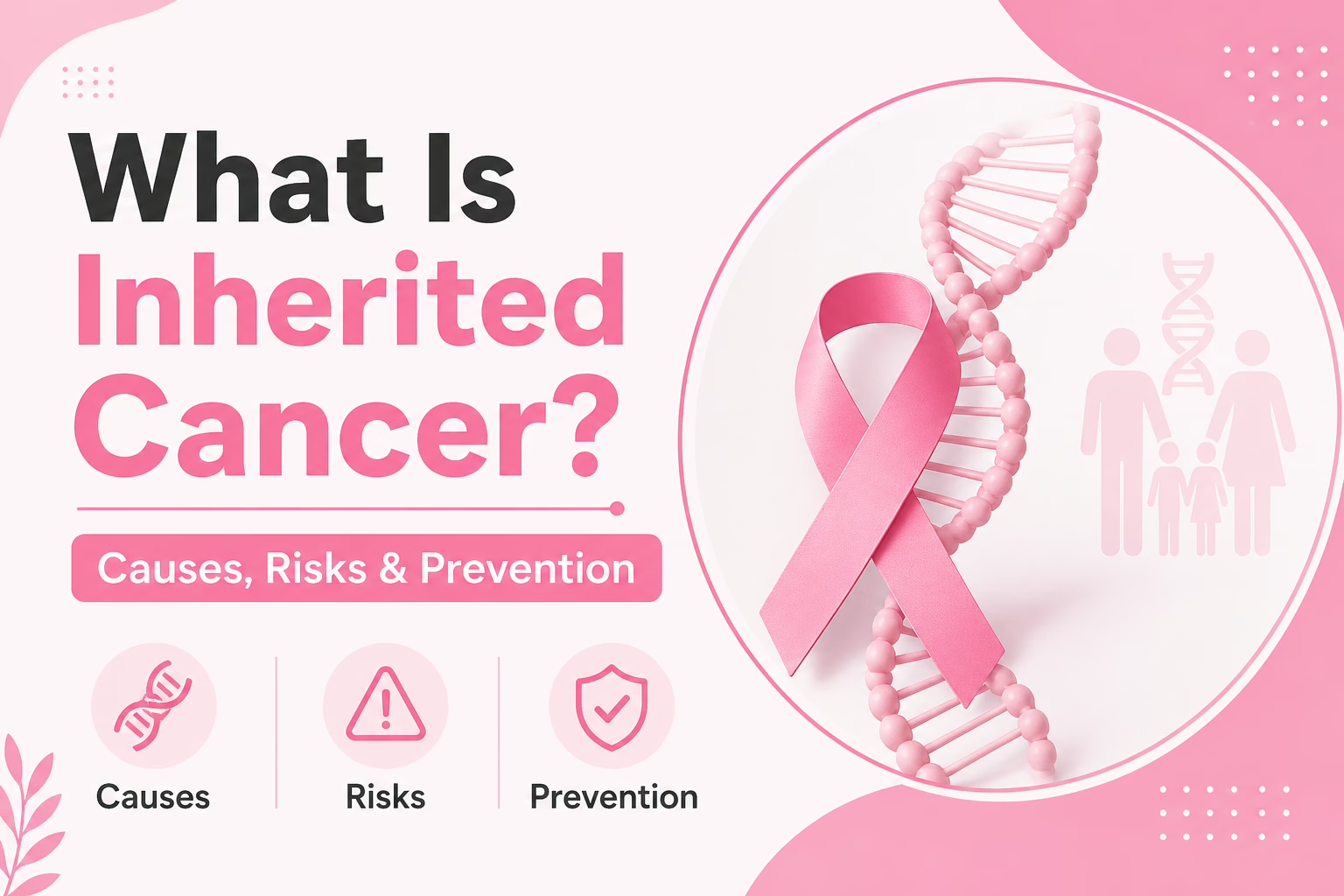
Do you also often ask, Is cancer hereditary?
The answer is yes, some types of cancer run in families.
Inherited cancer means that when a person is born with certain gene changes passed down from their parents. These genes can increase the risk of developing cancer later in life. However, this is not a direct signal that the person will definitely get cancer.
What causes inherited cancer?
Inherited cancer happens because of changes in genes that are passed from parents to children. Genes are the instructions inside our body that control how cells grow and repair themselves.
When these genes have harmful changes, then the body is unable to control abnormal cell growth and this can increase the cancer risk.
Following genes are linked with hereditary cancer:
- BRCA1
- BRCA2
- TP53
These genes are helpful in repairing the damaged DNA. When these genes don’t work properly, the risk of cancers such as ovarian cancer, breast cancer, prostate cancer, and other types of cancer becomes higher.
BRCA1 and BRCA2 Genes
The BRCA1 and BRCA2 genes are among the most commonly known genes linked to inherited breast and ovarian cancer.
A harmful transformation in these genes may increase the possibilities of:
- Breast cancer
- Ovarian cancer
- Fallopian tube cancer
- Pancreatic cancer
- Prostate cancer
If a woman has BRCA-related changes then she has a higher lifetime risk of developing ovarian cancer and breast cancer. This condition is often known as Hereditary Breast and Ovarian Cancer syndrome or HBOC syndrome.
Generally, HBOC syndrome runs in families where multiple members have had breast or ovarian cancer.
What about the TP53 Gene?
The TP53 gene is another very important protective gene in the body. It is often known as the “guardian gene.” It helps stop damaged cells from growing uncontrollably.
When there is a harmful change in TP53, then it increases the chance of different cancers, including early-onset breast cancer.
This is why timely genetic counseling and testing is very important for families with a cancer history.
Who Is at Risk?
A person may have a higher risk if:
- Cancer runs in the family
- Multiple relatives had the same type of cancer
- Cancer appeared at a young age
- A family member had breast and ovarian cancer
- Male breast cancer is present in the family
- Multiple generations are affected
Can Inherited Cancer Be Prevented From Birth?
While inherited risk cannot always be completely removed, but you can reduce the chances with early planning and screening from birth or even before pregnancy.
1. Family Risk Assessment
If any couple is planning pregnancy then they should go through genetic counselling. This will help you recognize whether risky cancer-related gene changes are present in the family.
2. Prenatal and Preconception Testing
This is an advanced screening before conception and during pregnancy. It is aimed to understand inherited risks at early stage. This allows couples to make informed medical decisions.
3. Early Monitoring From Childhood
If a family has a history of hereditary cancers, then regular medical monitoring from an early age can help in timely detection.
4. Healthy Lifestyle From Birth
Parents should encourage:
- Healthy food habits
- Regular exercise
- Avoiding tobacco exposure
- Limiting processed foods
- Maintaining healthy weight
Types of Genetic Counselling
Blossom Fetal Medicine & Genetics Centre offer different types of genetic counselling, such as:
- Pre-marital counseling
- Preconception counseling
- Prenatal counseling
- Family cancer risk counseling
- Post-test counseling
How Blossom Fetal Medicine & Genetics Centre Helps
At Blossom Fetal Medicine & Genetics Centre, we are committed to helping families cope with inherited cancer risks through expert care and advanced diagnostics.
Our services include:
- Family history evaluation
- Cancer risk assessment
- BRCA1 and BRCA2 testing
- TP53 screening
- Genetic counseling
- Pregnancy planning guidance
- Preventive health strategies
We have an expert team who helps families understand whether cancer is hereditary or not. Our teams also guide them on the best preventive steps.
Conclusion
You can manage inherited cancer risk with awareness, early testing, and preventive care. The key is early detection from the birth planning stage and family screening.
If your family has a history of cancer, then don’t ignore the warning signs. Blossom Fetal Medicine & Genetics Centre offer advanced genetic testing, trusted guidance, and expert support to protect the future of your family.

Comments are closed